Ever wondered what magic lies inside your nail technician’s rolling case? Beyond the dazzling array of polishes and glitters, there’s a whole world of specialized tools dedicated to creating beautiful, healthy nails. Let’s peek into the essential supplies every professional nail artist relies on and discover what each one does.
1. Shaping & Smoothing: The Foundation
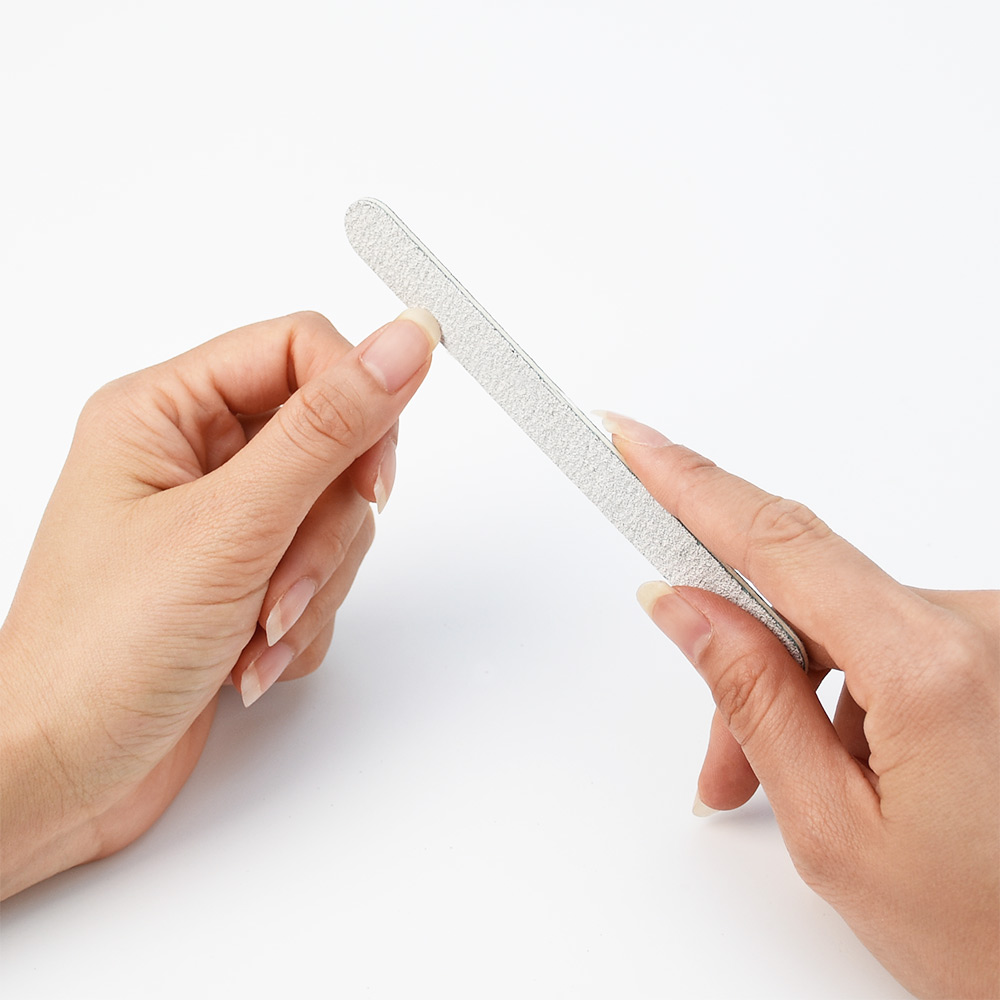
Nail Files (Emery Boards): These gritty rectangles (often made of foam, glass, or cardboard) are the workhorses of shaping. They come in different “grits” – coarse for shortening nails quickly, medium for refining the shape, and fine for smoothing edges. Think of them as sandpaper for your nails.
Buffers: Buffering blocks, usually with multiple sides of increasing fineness. They gently smooth the nail surface, removing ridges and creating a slightly shiny base that helps polish adhere better. They don’t remove length, just polish the surface.
Electric Nail Drill (E-File): This high-speed tool uses various drill bits (like sanding bands, carbide bits, or diamond bits). Technicians use it carefully and skillfully to:
- Remove old gel polish or acrylic enhancements much faster than hand-filing.
- Shape and refine artificial nails (acrylics, gels, dip).
- Smooth calluses (on feet).
- Crucially: Professionals are trained to use this safely without damaging the natural nail.
2. Cuticle Care: The Prep Pros
Healthy nail art starts with well-prepped cuticles and nail folds.
- Cuticle Pusher (Wooden Stick): A blunt-tipped tool (wooden stick or metal) used to gently push back the soft, living skin (the eponychium or “cuticle fold”) surrounding the nail plate. This creates a clean, defined area for polish application.
- Cuticle Nipper (Trimmer): Small, very sharp clippers designed only for precisely trimming the dead, loose skin tags (the true “cuticle”) left on the nail plate itself after pushing back.
- Cuticle Remover: A gentle gel or liquid applied to soften the dead cuticle skin, making it easier to push back and remove without damaging the live tissue.
3. The Artistry Essentials: Brushes
- Polish Application Brush: The brush attached to your regular nail polish bottle. Technicians master using this for smooth, even coats.
- Gel/Liner Brushes: Smaller, detail brushes, often with synthetic bristles. These are crucial for applying gel polish neatly near the cuticles and for creating intricate nail art designs (lines, dots, patterns). They come in various widths and angles.
- Acrylic Brush: A specific, usually flat or oval brush with stiff, synthetic bristles. It’s used exclusively for dipping into liquid monomer and then powder polymer to form and sculpt acrylic nail extensions or overlays. These brushes require special cleaning.
4. Curing Power: The Lamps
UV/LED Lamp: Essential for gel polish and gel enhancements! These lamps emit specific wavelengths of light (UV or LED) that cause the gel formulas to harden (cure) instantly and completely. Without this, gel polish would stay sticky and never dry properly. LED lamps are generally faster than older UV lamps.
5. Building & Strengthening: Enhancement Materials
- Acrylic Liquid (Monomer) & Powder (Polymer): Used together. The liquid activates the powder on the brush, creating a dough-like bead that the technician sculpts onto the nail to create extensions, overlays, or repairs. It hardens as it dries.
- Builder Gel: A thicker gel formula applied with a brush. It can be used to create extensions, build strength as an overlay, or fill in gaps in existing enhancements. It requires curing under a UV/LED lamp.
- Dip Powder System: A system involving applying a base coat, dipping the nail into colored acrylic powder, sealing with activator, and finishing with a top coat. It creates a durable, polish-like layer.
6. The Finishing Touches
- Top Coat: A clear, protective layer (available in regular polish, quick-dry, and gel formulas) applied last. It adds shine, prevents chipping, and seals in the color and design.
- Base Coat: Applied first to the natural nail. It creates a sticky surface for polish to adhere to, helps prevent staining (especially from dark polishes), and can offer strengthening benefits.
- Nail Cleanser/Dehydrator: A liquid (often alcohol-based) used before applying base coat or enhancements. It removes any last traces of oil, dust, or moisture from the nail plate, ensuring maximum adhesion and preventing lifting.
7. Safety & Sanitation: Non-Negotiables
- 70%+ Isopropyl Alcohol: A disinfectant used to clean tools and surfaces between clients.
- Hospital-Grade Disinfectant: For soaking metal tools (like nippers, bits) to kill germs, viruses, and fungi.
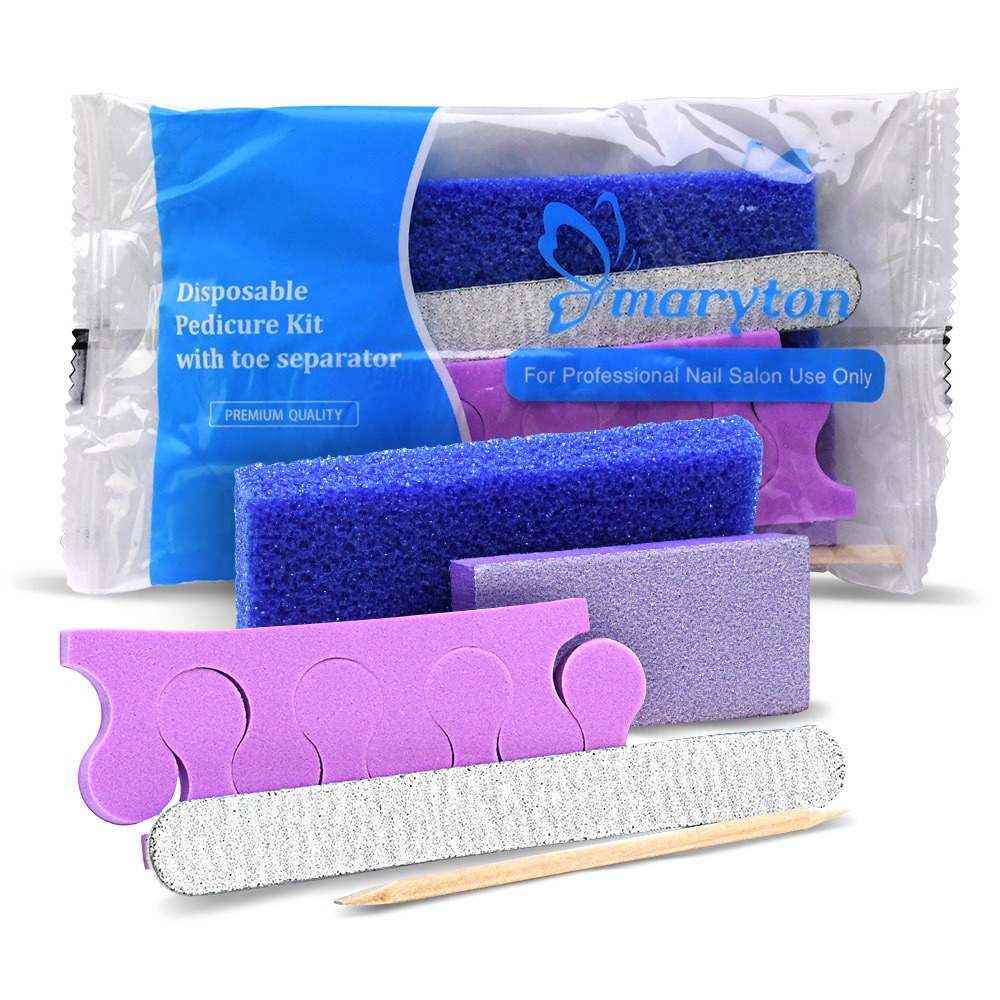
- Disposable Supplies: Items like nail files, buffers, wooden sticks, toe separators, and pedicure liners are often single-use or disposed of after each client to prevent cross-contamination.
Understanding these tools gives you a glimpse into the skill and care involved in professional nail services. From meticulous preparation with pushers and nippers to the creative artistry of brushes and the technology of lamps and drills, each item plays a vital role in achieving beautiful, long-lasting, and healthy nails. Next time you’re at the salon, you’ll appreciate the mini-universe of supplies working to make your nails look fabulous!
Read also: How to Choose the Perfect Nail File: A Pro’s Guide to Nail Care Essentials