Hey there, nail enthusiasts! Whether you’re a DIY manicure lover or a seasoned pro, selecting the right nail file is the foundation of a flawless finish. Trust me—this tiny tool can make or break your nail health and design. Let’s dive into the nitty-gritty of picking the perfect file, from materials to grit and everything in between.
1. Material Matters: What’s Your File Made Of?
Not all nail files are created equal. The material determines durability, gentleness, and even hygiene. Here’s a breakdown:
- Glass/Crystal Files: My personal favorite for natural nails! Glass files are gentle, non-porous (hello, easy sanitizing!), and create a smooth edge. They’re ideal for weak or peeling nails. Bonus: They last forever if cared for.
- Metal Files: These are durable but can be too harsh for delicate nails. I recommend them only for tough acrylics or gel extensions—never on natural nails, as they cause micro-tears.
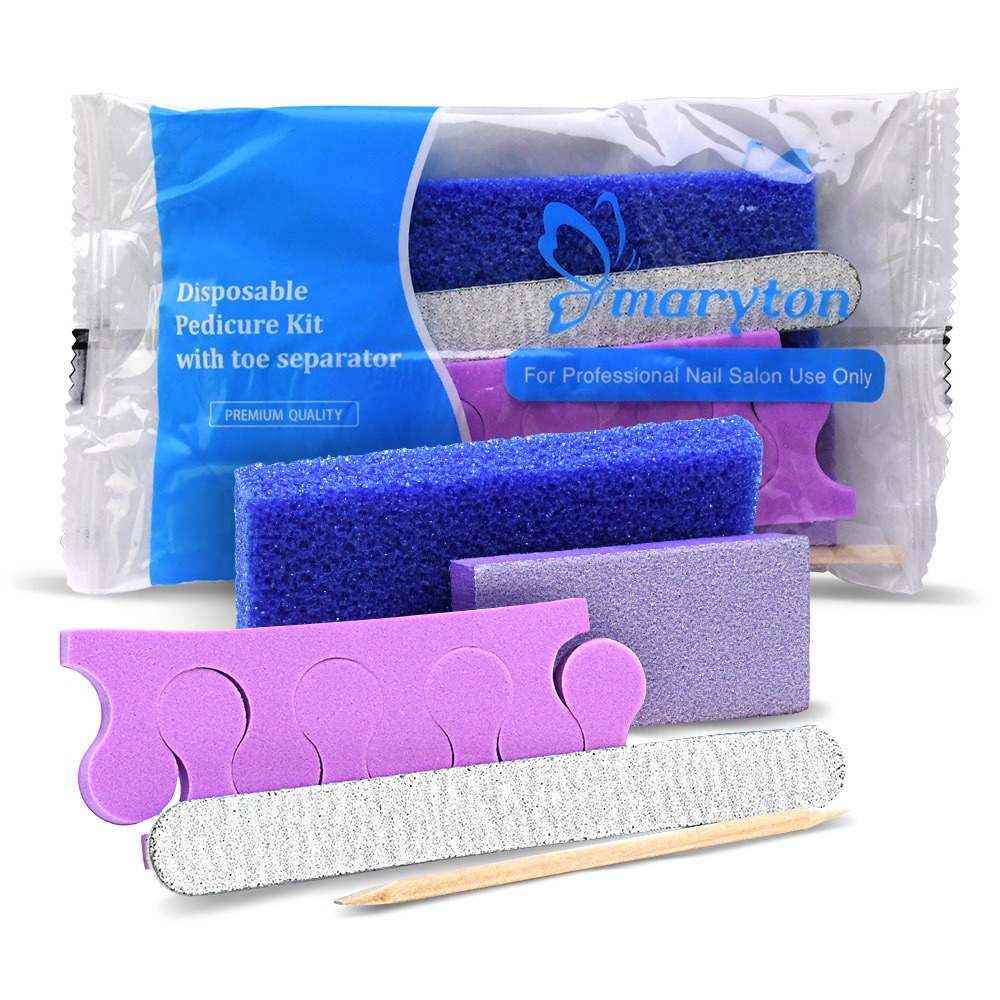
- Emery Boards (Cardboard + Grit): Affordable and disposable, these are great for quick touch-ups. However, they wear out fast and can’t be sanitized thoroughly.
- Ceramic Files: A hybrid between glass and emery boards. They’re gentle and reusable but less common.
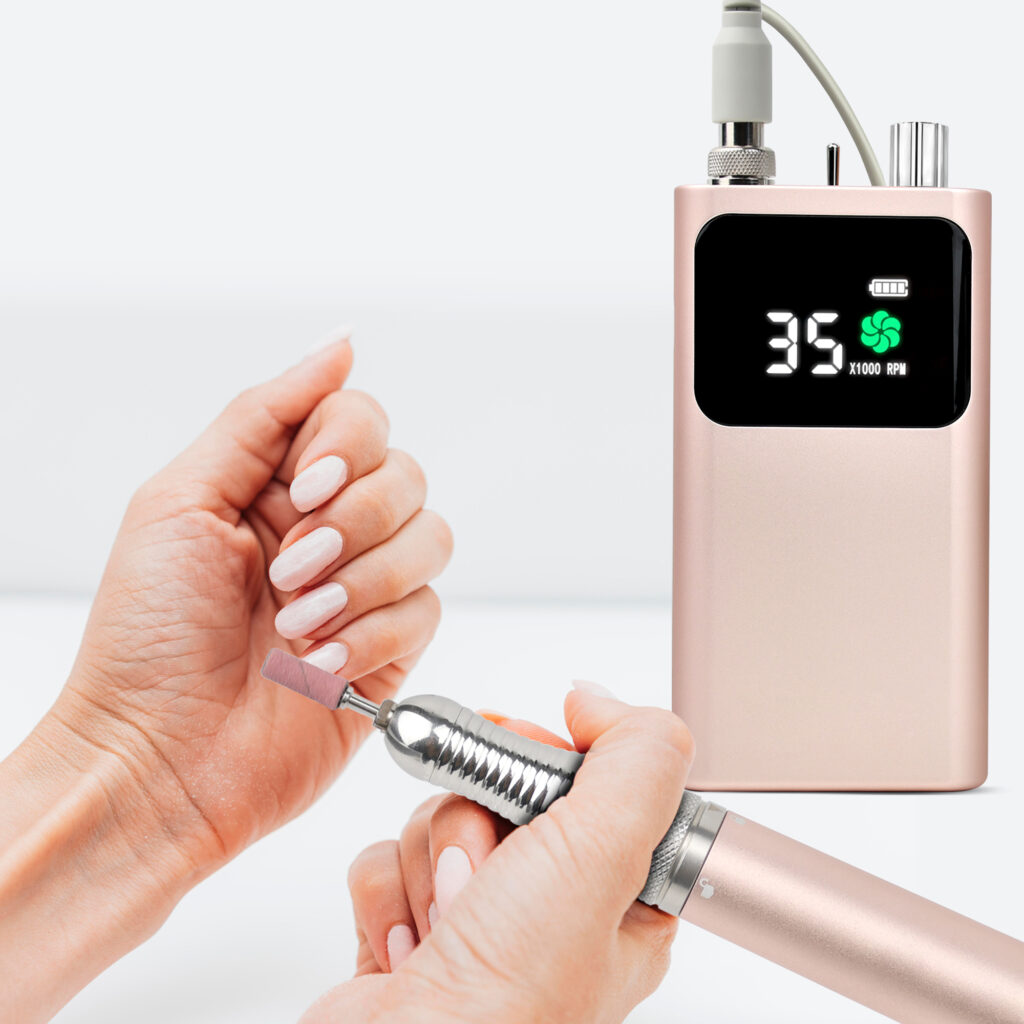
Pro Tip: Avoid sharing files! If you’re a pro, invest in electric nail files that with replaceable bits.
2. Grit: The Secret to Shaping & Smoothing
Grit refers to the coarseness of the file’s surface, measured in numbers. The lower the number, the rougher the file.
- Coarse Grit (80–100): Use this for shortening thick acrylics, hard gel, or press-ons. Never use on natural nails—it’ll shred them!
- Medium Grit (180–240): The sweet spot for natural nails. It shapes without aggression and preps the nail for polish.
- Fine Grit (240+):Perfect for smoothing edges, buffing ridges, or prepping nails for a glossy “no-polish” finish.
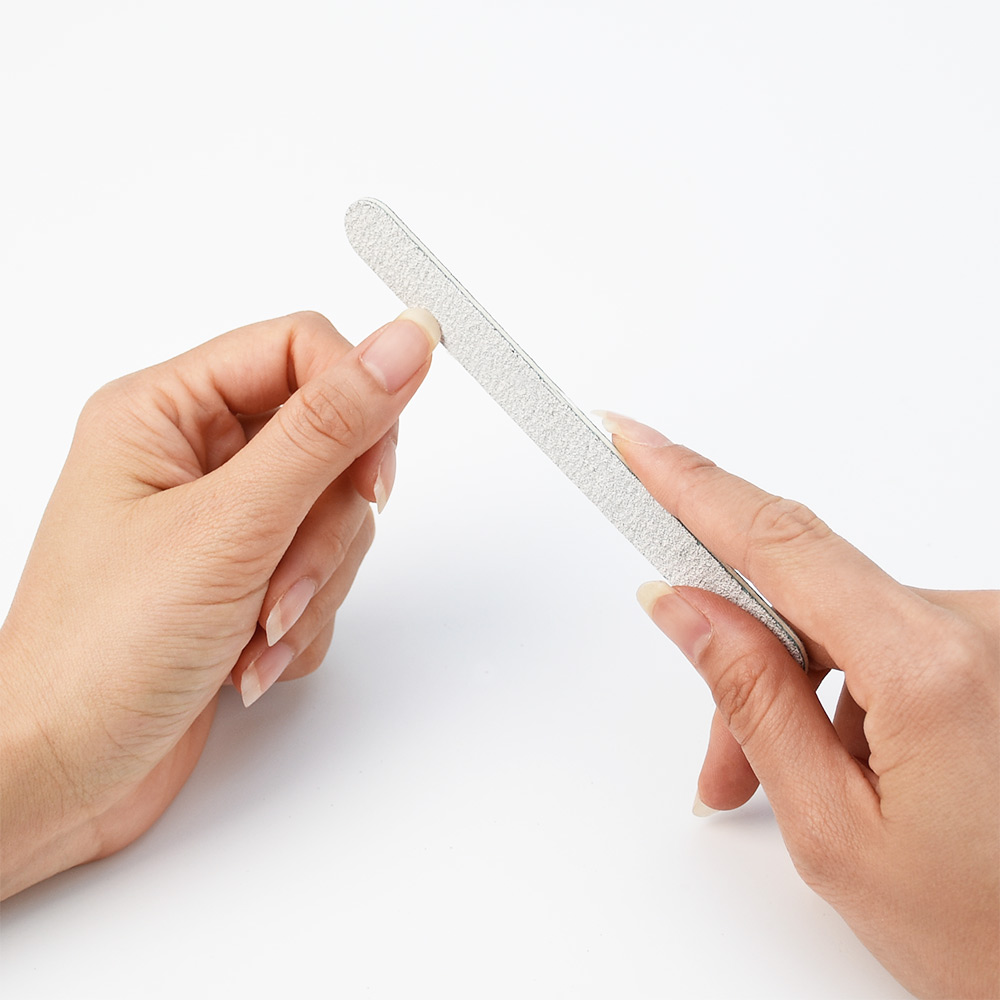
Pro Tip: Always file in one direction (never saw back-and-forth!) to prevent splitting.
3. Match the File to Your Needs
Your lifestyle and nail type dictate the best file for you:
- Natural Nails: Opt for a glass or fine-grit emery board. Gentle filing preserves nail integrity.
- Acrylics/Gels: A medium-grit metal or ceramic file helps shape without chipping.
- Weak or Peeling Nails: Glass files only! Coarse textures will worsen peeling.
4. Pro Techniques to Avoid Nail-pocalypse
Even the best file won’t save you from bad habits. Follow these rules:
- Sanitize Regularly: Soak glass/metal files in disinfectant for 10 mins between clients.
- Replace When Worn: Emery boards lose grit over time—toss them once they feel “smooth.”
- Angle Matters: Hold the file parallel to the nail edge for even shaping.
- Buffing ≠ Filing: Use a separate buffing block (3,000+ grit) for shine. Over-buffing thins nails!
Final Thoughts
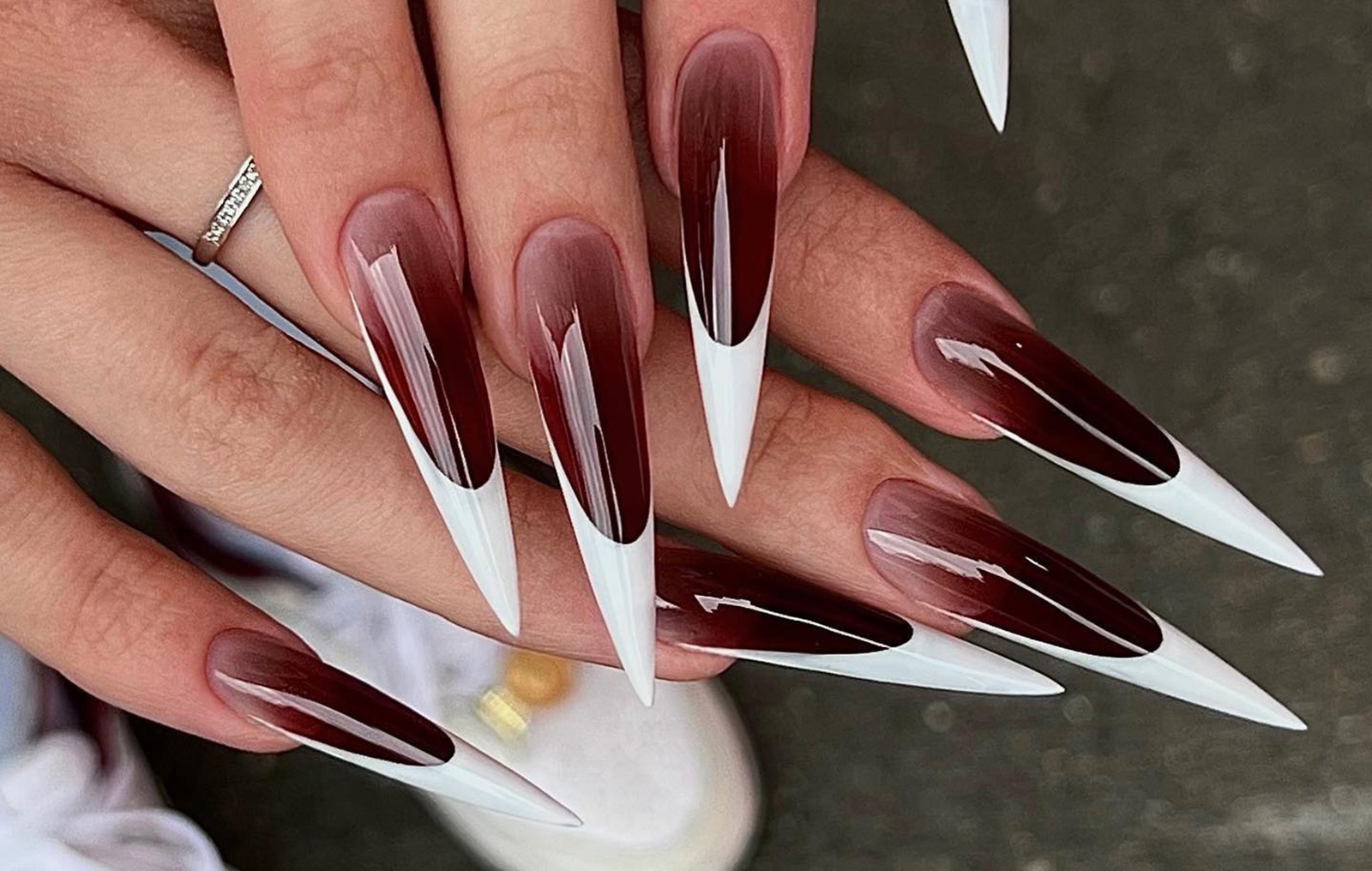
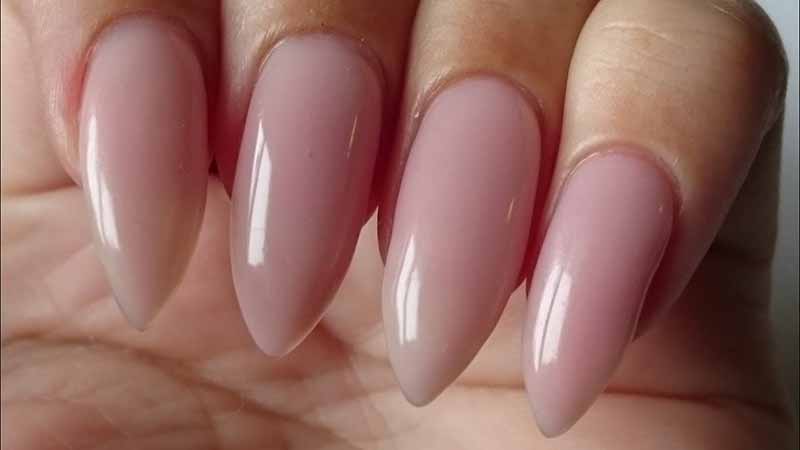
Your nail file is like a toothbrush for your tips—choose wisely, clean often, and replace when needed. Whether you’re sculpting stiletto acrylics or keeping naturals tidy, the right tool ensures salon-quality results at home. Still unsure?
Read also: Current Stiletto Nail Trends