Weak nails are a common frustration. They peel, bend, split, or break before they reach a comfortable length. Many people assume the solution is a “miracle” strengthener or a supplement. In reality, strong nails are built through a combination of gentle care, good nutrition, protection from damage, and patience. Nails grow slowly, so improvement takes time. But most brittle nails can be made stronger.
Why Do Nails Become Weak and Brittle?
Nails are made of keratin, a protein. A healthy nail plate is made of layers held together by moisture, oils, and protein bonds. When those bonds break down, the nail becomes dry, thin, and prone to splitting.
The most common cause is repeated water exposure. Nails swell when wet and shrink as they dry. This cycle weakens the layers. Dishwashing, long showers, frequent hand washing, and swimming all contribute.
Harsh chemicals are another major cause. Acetone, cleaning products, hand sanitisers, and harsh soaps strip natural oils from the nail plate.
Physical trauma also damages nails. Using nails as tools—opening cans, peeling stickers, scraping labels—creates micro-fractures. Biting, picking, and peeling off gel or acrylic can strip layers off the nail.
Improper filing is a hidden cause. Sawing a file back and forth creates tiny tears that travel up the nail and cause peeling. Filing wet nails is also damaging because wet nails are soft and tear.
Nutritional gaps can weaken nails from within. Low protein, iron, zinc, or biotin can affect nail quality. Age and hormones also play a role. Nails grow more slowly and produce less oil as we age.
Finally, medical conditions such as thyroid disorders, anaemia, psoriasis, and fungal infections can cause brittle nails. If nails are persistently weak despite good care, a doctor should rule out underlying issues.
How to Make Nails Stronger
The first step is to stop the damage. Wear rubber gloves for dishwashing, cleaning, and gardening. Dry hands thoroughly after washing. Avoid prolonged soaking. Use a non-acetone remover for regular polish and reserve acetone for gel removal.
The second step is hydration. Apply cuticle oil at least twice a day. Jojoba oil is excellent because it closely mimics the skin’s natural oils and penetrates the nail plate. Massage a drop into each nail and cuticle, then follow with a rich hand cream. Keep a small oil pen in your bag and apply after every hand wash.
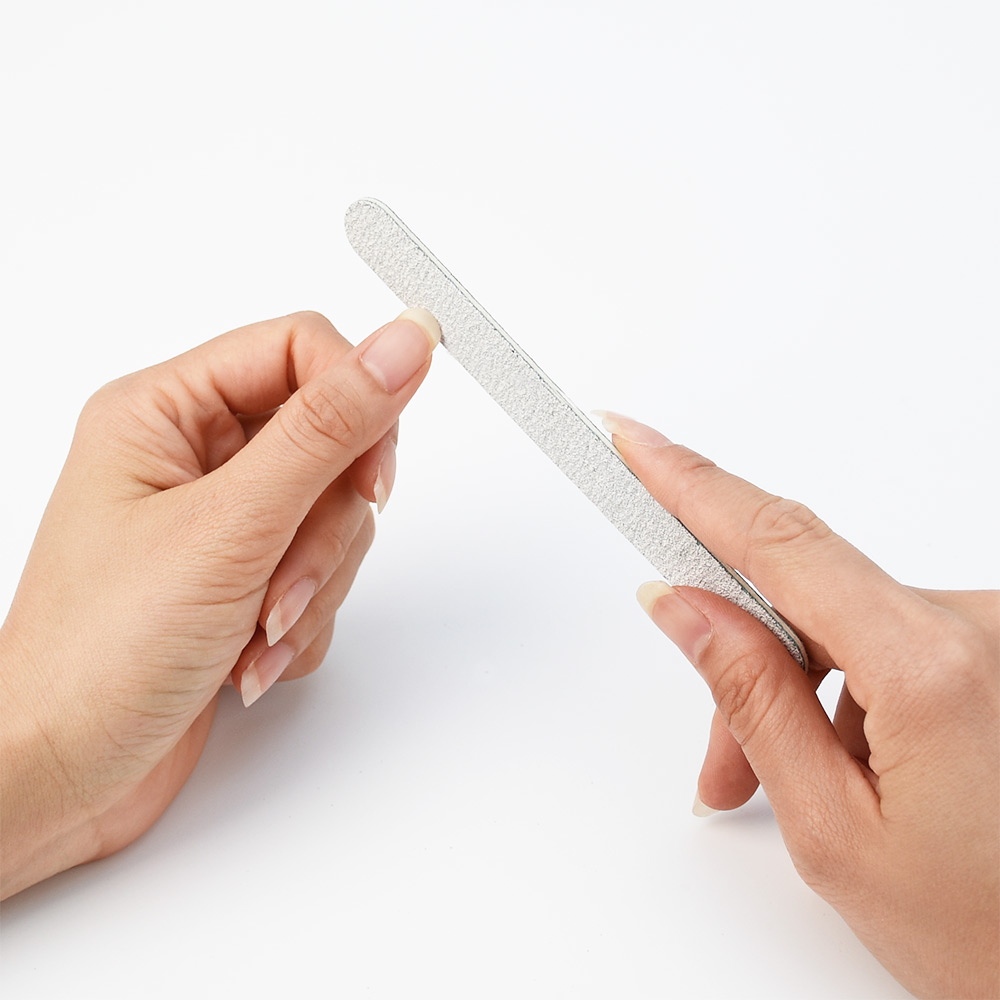
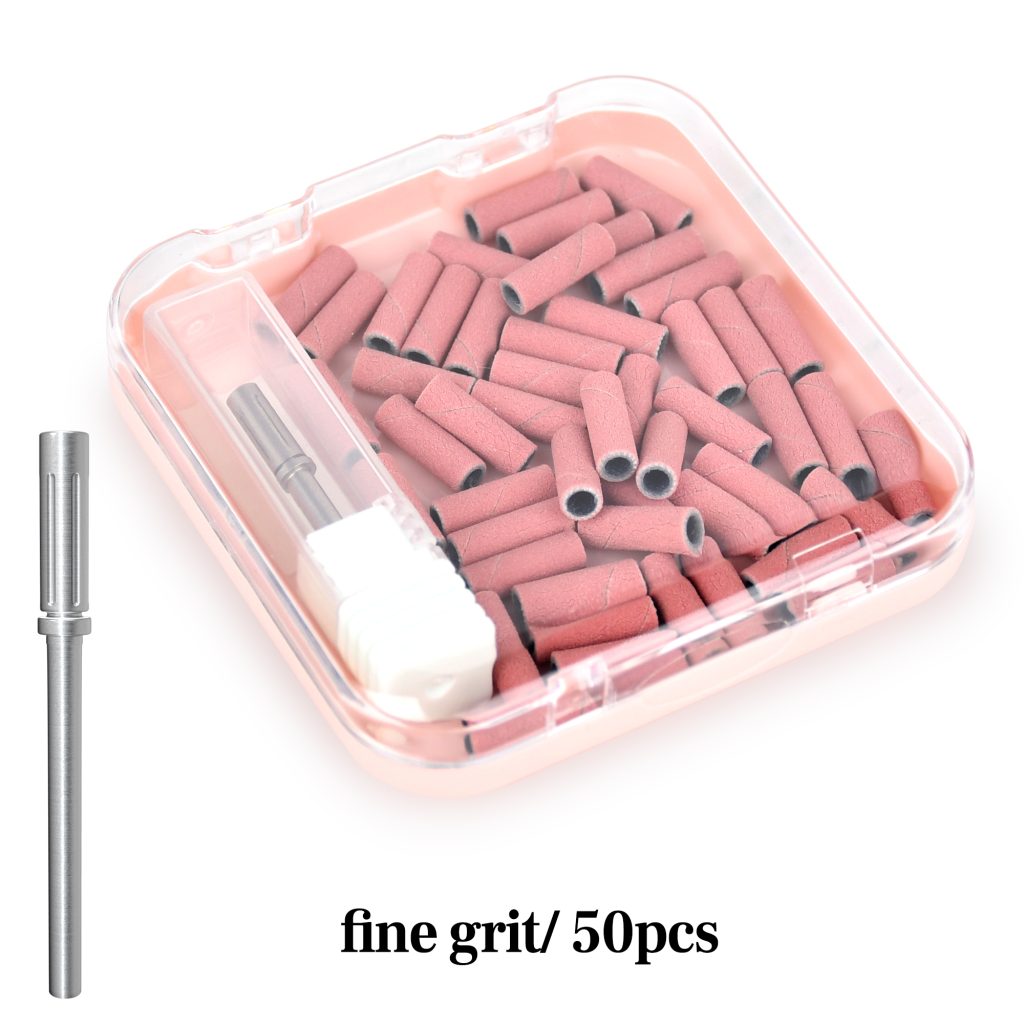
The third step is correct filing. Always file dry nails with a fine-grit nail file, around 180 to 240. File in one direction only—from the outer edge toward the centre. Never saw back and forth. Keep nails at a manageable length. Long nails are more likely to catch and break.
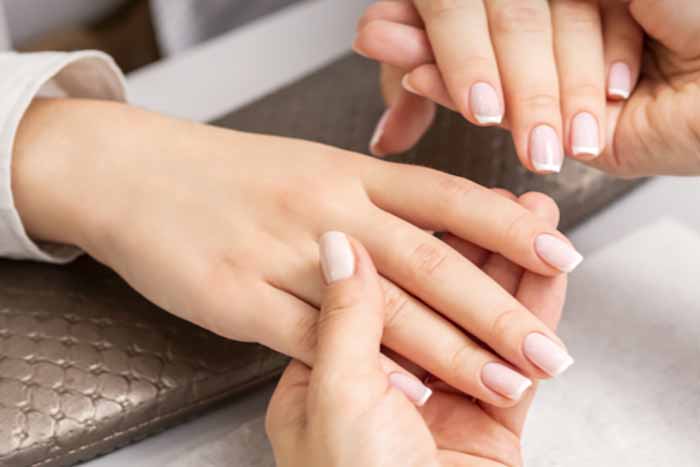
The fourth step is gentle cuticle care. Push cuticles back after a shower. Do not cut living cuticle—it is a protective seal. Only trim loose, dead skin.
The fifth step is to take breaks from polish and enhancements. Constant gel or acrylic wear can dry out the nail plate. Give nails a few days of bare, oiled rest every month. Never peel off gel or acrylic. Always remove products properly.
Do Biotin and Other Supplements Help?
Biotin is the supplement most often linked to nail strength. Some studies suggest that biotin can improve nail thickness and reduce splitting, especially in people with brittle nails. However, the evidence is modest, and biotin works best if there is a deficiency. It is not a magic cure for damage caused by water, chemicals, or trauma.
Biotin can also interfere with certain laboratory tests, including thyroid tests and heart markers. Always tell your doctor if you take it. A typical dose used in studies is 2.5 to 5 mg daily, but you should consult a healthcare provider before starting any supplement.
Other nutrients matter too. Protein is essential because nails are made of keratin. Iron deficiency can cause thin, spoon-shaped nails. Zinc supports cell division and protein synthesis. Vitamin C supports collagen production. A balanced diet is more reliable than chasing individual supplements. If you suspect a deficiency, ask your doctor for testing rather than self-prescribing.
Can Press-On Nails Protect Weak Nails?
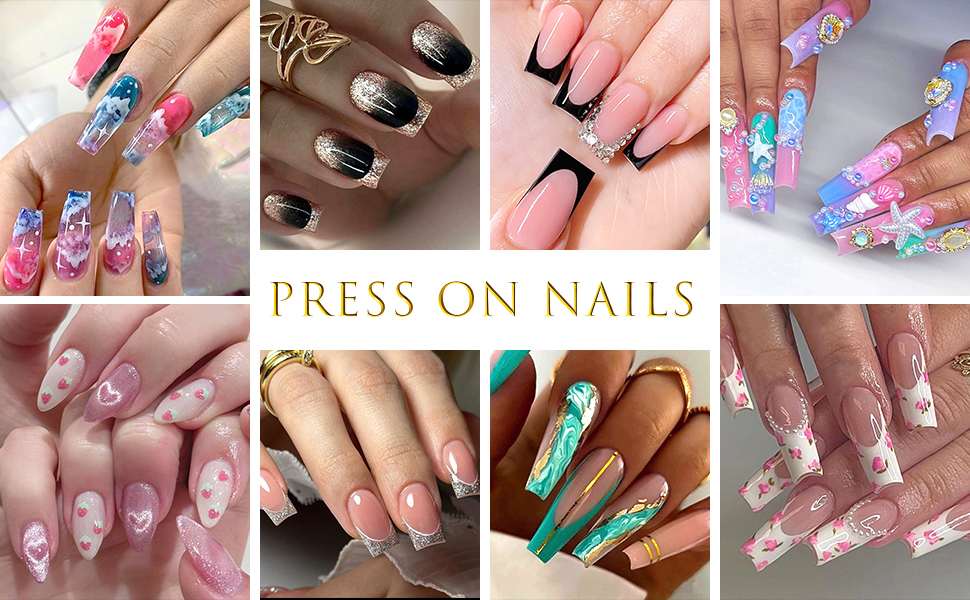
Press-on nails and gel stickers can act as a protective shield. They cover the nail plate, reduce direct water contact, and prevent the free edge from catching and tearing. For some people, this helps weak nails grow out without breaking.
But press-ons are not a treatment. They can also cause damage if applied or removed incorrectly. Never peel them off dry. Soak them in warm soapy water or use cuticle oil, then lift gently with a wooden stick. Choose the correct size and avoid glue that touches the skin. Give nails breaks between sets. Used carefully, press-ons can be a helpful temporary cover—not a substitute for strengthening care.
A Simple Nail-Strengthening Routine
Daily: Apply cuticle oil morning and night. Use hand cream after every wash. Wear gloves for wet work. Avoid using nails as tools.
Weekly: File nails gently in one direction. Push back cuticles after a shower. Check for splits or peeling and smooth them immediately.
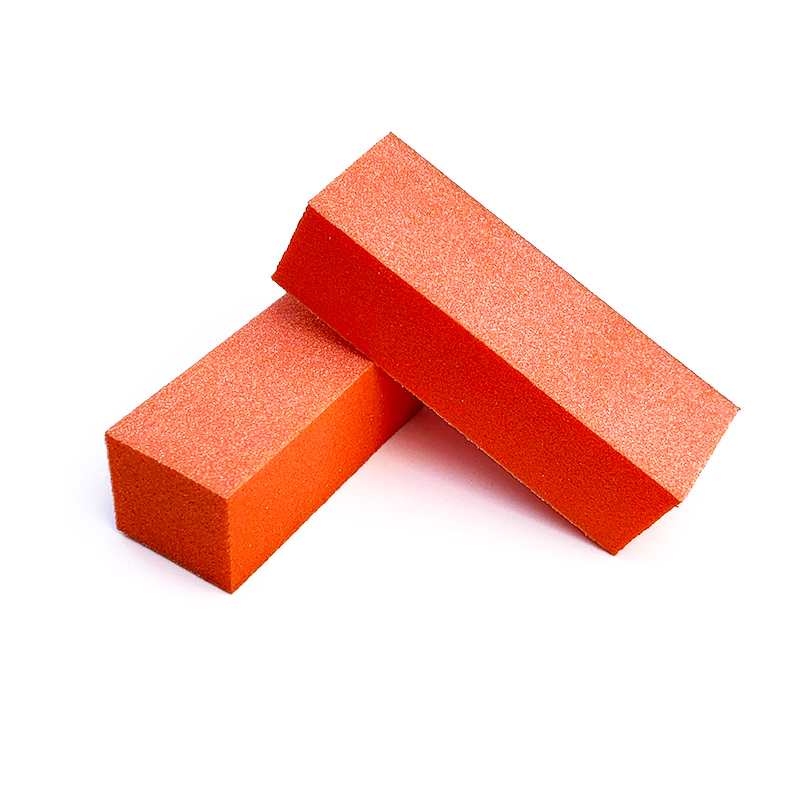
Monthly: Take a few days off from polish or enhancements. Assess nail health. Replace old files and buffers.
Ongoing: Eat protein at every meal. Include iron-rich foods, nuts, seeds, and leafy greens. Stay hydrated. Be patient—nails take four to six months to fully replace themselves.
When to Seek Professional Help
See a doctor or dermatologist if:
- Nails are persistently thin, peeling, or breaking despite good care.
- You notice discoloration that does not grow out.
- Nails thicken, crumble, or separate from the nail bed.
- You have redness, swelling, pain, or pus around the nail.
- Changes affect multiple nails or come with fatigue, weight changes, or hair loss.
- You have diabetes, poor circulation, or a weakened immune system.
These signs may indicate a fungal infection, thyroid disorder, anaemia, psoriasis, or another condition that needs medical treatment.
Final Thoughts
Strong nails are not built overnight. They are the result of protecting nails from water and trauma, moisturising daily, filing correctly, eating well, and giving nails time to recover. Supplements like biotin may help in some cases, but they are not a substitute for good habits. Press-on nails can offer temporary protection when used gently. With consistency and patience, weak nails can become stronger, smoother, and more resilient.
Read also: The Guide to At-Home Manicures: Choosing a Kit, Making It Last, and Protecting Your Nails